

Green Chemistry Approaches in API Impurity Synthesis
Green chemistry is no longer optional in pharmaceutical research. It is essential because the regulatory agencies expect safer processes for chemical development. Also, the companies demand cost efficiency and cleaner reactions.
Impurity synthesis plays a central role in drug development. In this process the researchers identify, isolate, and characterize API impurities. It is essential to prepare reference standards and study their toxicological profiles. Traditionally, impurity synthesis relied on hazardous reagents and waste-intensive methods.
Now the field is changing progressively. Green chemistry offers smarter solutions. It reduces environmental impact. The advanced methods improves the safety of chemists and the environment. It lowers the cost of manufacturing products. This blog explains practical green chemistry approaches in impurity synthesis. It focuses on actionable strategies. It provides structured guidance for researchers and industry professionals.
Table of Contents
- Introduction to Impurity Synthesis
- Why Green Chemistry Matters in Impurity Synthesis
- Core Principles of Green Chemistry
- Green Chemistry Strategies in Impurity Synthesis
- Safer Solvent Selection
- Catalysis Over Stoichiometric Reagents
- Atom Economy and Step Reduction
- Energy-Efficient Reaction Conditions
- Renewable Feedstocks
- Flow Chemistry Applications
- Biocatalysis in Impurity Synthesis
- Waste Minimization and Recycling
- Analytical Considerations and Green Techniques
- Regulatory Perspective on Sustainable Impurity Synthesis
- Case-Oriented Discussion
- Future Outlook
- Conclusion
Introduction to Impurity Synthesis
Impurities are produced during drug substance manufacturing. They arise from side reactions of developed processes. They may appear due to degradation of the drug substance. Also, the impurities can form from reagents or intermediates.
In this context regulatory guidelines require identification and qualification of all possible impurities. The authorities, such as the International Council for Harmonisation (ICH), define reporting thresholds. Due to this reason, it is essential to synthesize impurities to establish reference standards.
Impurity synthesis often demands selective transformations. It may require controlled degradation. In addition to this, it may involve minor pathway replication. It should be understood that these processes can generate significant waste if poorly designed.
Green chemistry can transform this scenario. It makes impurity synthesis safer and more sustainable.
Why Green Chemistry Matters in Impurity Synthesis
Impurity synthesis usually occurs on a small scale. However, the environmental footprint can still be significant. Researchers often prioritize speed over sustainability. This approach increases solvent consumption and hazardous waste.
Green chemistry offers measurable advantages:
- Reduces solvent waste
- Lowers energy consumption
- Minimizes toxic exposure
- Enhances process safety
- Improves scalability
- Strengthens regulatory acceptance
Sustainable impurity synthesis also supports corporate ESG (Environmental, Social, and Governance) goals. It aligns research with long-term environmental responsibility.
Core Principles of Green Chemistry
Paul Anastas and John Warner introduced twelve principles of green chemistry. These principles guide sustainable chemical design.
Key principles relevant to impurity synthesis include:
- Prevention of waste
- Atom economy
- Less hazardous chemical synthesis
- Safer solvents and auxiliaries
- Energy efficiency
- Use of renewable feedstocks
- Catalysis
- Design for degradation
Scientists must integrate these principles at the reaction design stage. Retrofitting sustainability rarely works efficiently.
Green Chemistry Strategies in Impurity Synthesis
Safer Solvent Selection
The organic solvents dominate pharmaceutical waste streams. They account for most of the E-factor (Environmental impact factor) in drug synthesis.
Therefore, researchers must replace hazardous solvents such as dichloromethane or benzene with safer alternatives.
Preferred green solvents include:
- Ethanol
- Isopropanol
- Water
- Ethyl acetate
- 2-MeTHF
For example; Water often serves as an excellent medium for hydrolysis-based impurity synthesis. Ethanol works well in esterification and transesterification reactions.
In this context solvent selection guides such as CHEM21 or GSK solvent selection tools help chemists choose greener alternatives.
Safer solvents reduce worker exposure. They simplify waste treatment and lower regulatory risk.
Catalysis Over Stoichiometric Reagents
Traditional impurity synthesis often relies on excess reagents. This approach generates large quantities of by-products.
To solve this problem the catalysis offers a superior strategy. Catalysts improve selectivity. They reduce reagent consumption and enhance yield.
Types of catalysis useful in impurity synthesis:
- Acid catalysis
- Base catalysis
- Organocatalysis
- Metal catalysis
- Biocatalysis
For example, catalytic oxidation can generate oxidative impurities selectively. Controlled catalytic conditions can avoid over-oxidation and unnecessary waste. In short, catalytic processes significantly improve atom economy.
Atom Economy and Step Reduction
Sometimes, the impurities requires multi-step synthesis which ultimately increases waste. Here each step requires solvents, purification, and energy.
Due to this reason the chemists must design direct synthetic routes. They must minimize protecting groups. They must avoid unnecessary functional group interconversions.
Important strategies include:
- One-pot synthesis
- Tandem reactions
- Cascade reactions
- Direct functionalization
Improved atom economy lowers material cost. It reduces purification burden. It improves laboratory efficiency.
Energy-Efficient Reaction Conditions
High temperatures and long reflux times consume significant amounts of energy. Eventually they increase operational cost.
Therefore, the researchers must explore:
- Microwave-assisted synthesis
- Room temperature reactions
- Photochemical activation
- Ultrasound-assisted reactions
It is well known that the microwave techniques often shorten reaction time dramatically. Shorter reaction times reduce energy input.
In short, energy-efficient methods also improve reaction control in degradation impurity studies.
Renewable Raw Materials
Traditional chemical raw materials depend on petrochemical sources. Renewable materials reduce environmental burden.
Bio-based reagents offer viable alternatives in some impurity synthesis pathways.
Examples include:
- Bio-ethanol
- Bio-derived solvents
- Renewable reducing agents
While not always feasible, renewable sourcing strengthens sustainability metrics.
Flow Chemistry Applications
In recent years, flow chemistry transformed chemical synthesis. It improves safety. It enhances reaction control and minimizes solvent use.
Continuous flow systems allow precise control of temperature and residence time. This precision is valuable when synthesizing reactive degradation impurities.
Advantages include:
- Better heat transfer
- Reduced reaction volume
- Improved scalability
- Lower risk of hazardous accumulation
Flow reactors also support safer oxidation and nitration processes.
Biocatalysis in Impurity Synthesis
Enzymes offer remarkable selectivity in organic synthesis. They operate under mild conditions. They reduce hazardous reagents.
Biocatalysis works well for:
- Chiral impurity synthesis
- Selective hydrolysis
- Oxidative transformations
It is important to note that the enzymatic routes often operate in aqueous systems. This approach reduces organic solvent usage.
In addition to above benefits, the biocatalysis supports high stereochemical purity. It minimizes side reactions.
Waste Minimization and Recycling
Impurity synthesis must integrate waste management. Therefore, chemists must recover and recycle solvents.
Key strategies include:
- Solvent distillation and reuse
- In-line purification
- Crystallization instead of chromatography
- Solid-supported reagents
Chromatography generates large amount of waste solvent. Replacing column purification with crystallization drastically reduces waste. Process intensification directly improves sustainability.
Analytical Considerations and Green Techniques
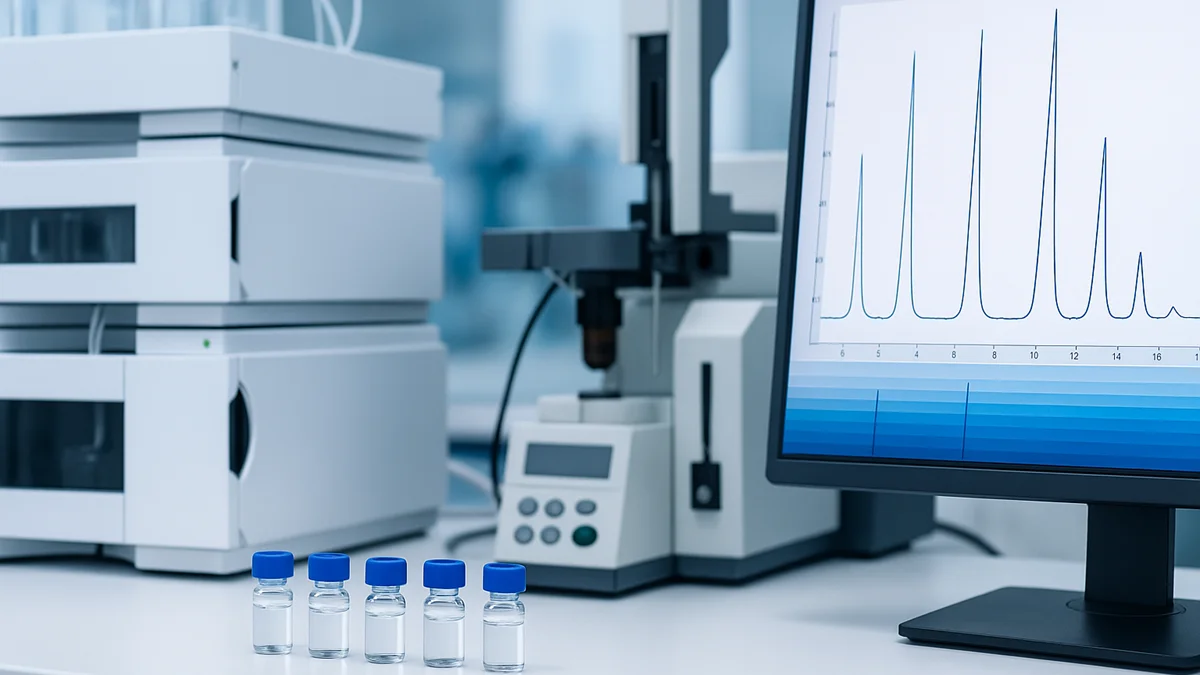
The synthesized impurities require analytical verification. In this case HPLC remains essential. However, scientists can adopt greener analytical methods.
Strategies include:
- Ultra-performance liquid chromatography (UPLC) to reduce solvent consumption
- Green mobile phases such as ethanol-water mixtures
- Reduced sample preparation steps
Therefore it is important to understand that the analytical sustainability must align with synthetic sustainability.
Regulatory Perspective on Sustainable Impurity Synthesis
Regulatory agencies focus on impurity qualification. They do not explicitly mandate green synthesis. However, authorities increasingly value environmentally responsible manufacturing.
Sustainable impurity preparation supports:
- Better documentation
- Reduced hazardous handling
- Cleaner impurity profiles
Companies that integrate green chemistry early reduce future compliance risks.
Case-Oriented Discussion
Consider oxidative degradation impurity synthesis. Traditional methods use excess chromium reagents. These reagents are toxic and generate heavy metal waste.
A greener approach uses catalytic TEMPO oxidation with oxygen. This method reduces toxic waste. It improves selectivity and enhances safety.
Identically, the hydrolytic impurities of APIs often require strong mineral acids. Using controlled aqueous acidic buffers reduces corrosive waste and improves safety.
Another important type of impurities are nitrosamine impurities. Traditional synthesis methods for nitrosamine impurities often rely on strong acidic conditions. In this context green chemistry approaches are reliable which uses electrochemical and photochemical methods. These methods are much safer and cleaner than traditional methods.
In conclusion, these practical adjustments significantly reduce environmental impact.
Future Outlook
In the future green chemistry will shape the future of impurity synthesis. Artificial intelligence will optimize reaction pathways. Flow chemistry will become mainstream. Therefore, it is envisioned that the biocatalysis will expand significantly in chemical development.
Sustainable design will move from optional to mandatory. Funding agencies increasingly support green research. Pharmaceutical companies demand environmentally responsible processes.
Researchers who adopt green strategies now will lead the next generation of drug development.
Conclusion
Green chemistry approaches in impurity synthesis create measurable benefits. They reduce waste. They improve safety and enhance efficiency.
Therefore, scientists must design sustainable impurity routes from the beginning. They must prioritize safer solvents. They must use catalysis and reduce synthesis steps. In addition to the above facts, it is necessary to minimize overall energy use.
Impurity synthesis does not need to generate unnecessary environmental burden. In this context thoughtful design transforms it into a responsible scientific practice.
The pharmaceutical industry stands at a turning point. Sustainable impurity synthesis is not just good chemistry. It is smart chemistry.