

Impurity Isolation vs Chemical Synthesis: Which Strategy Truly Wins?

Pharmaceutical impurities are unavoidable in the drug manufacturing process. They are also known as API impurities.
Regulatory Requirements for Impurity Reference Standards
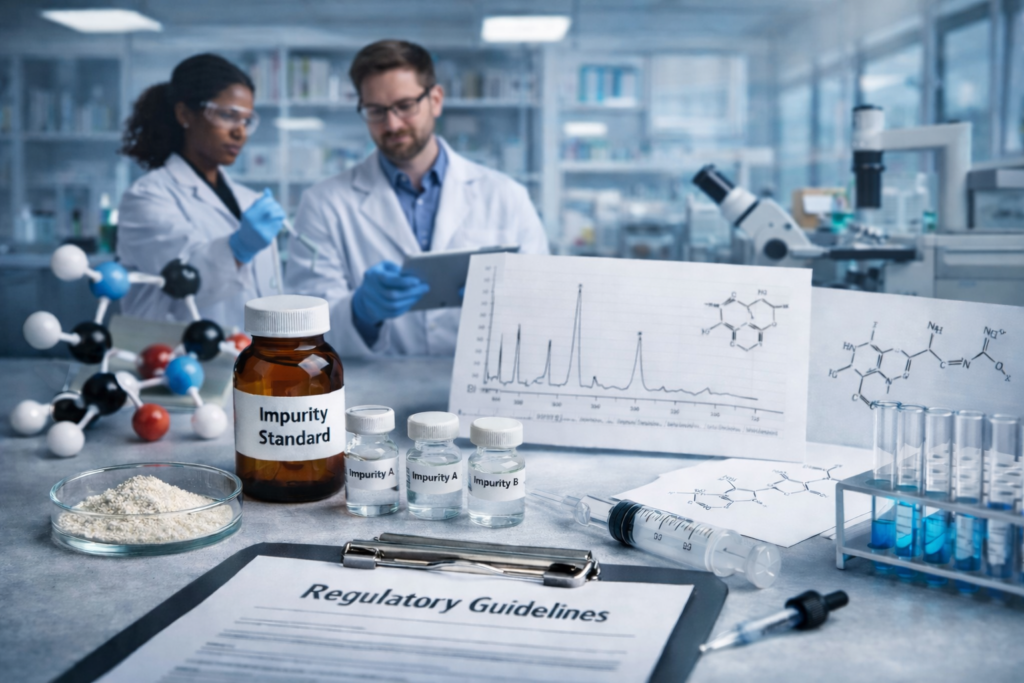
API impurity reference standards are essential tools in pharmaceutical analysis. They ensure accurate identification, quantification, and control of impurities in drug substances and products.
Mutagenic Impurities Risk Assessment Under ICH M7
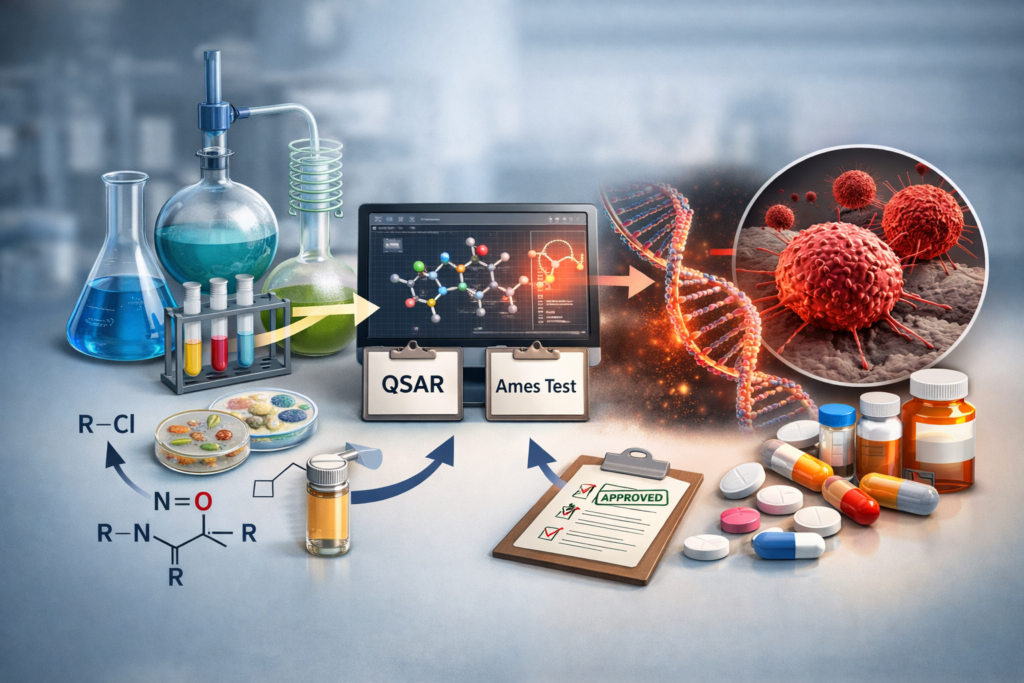
In pharmaceutical manufacturing the mutagenic impurities are among the most critical safety concerns. These impurities are responsible for the damage of DNAs, even at trace levels.
Understanding ICH Q3C: Residual Solvents in APIs Explained
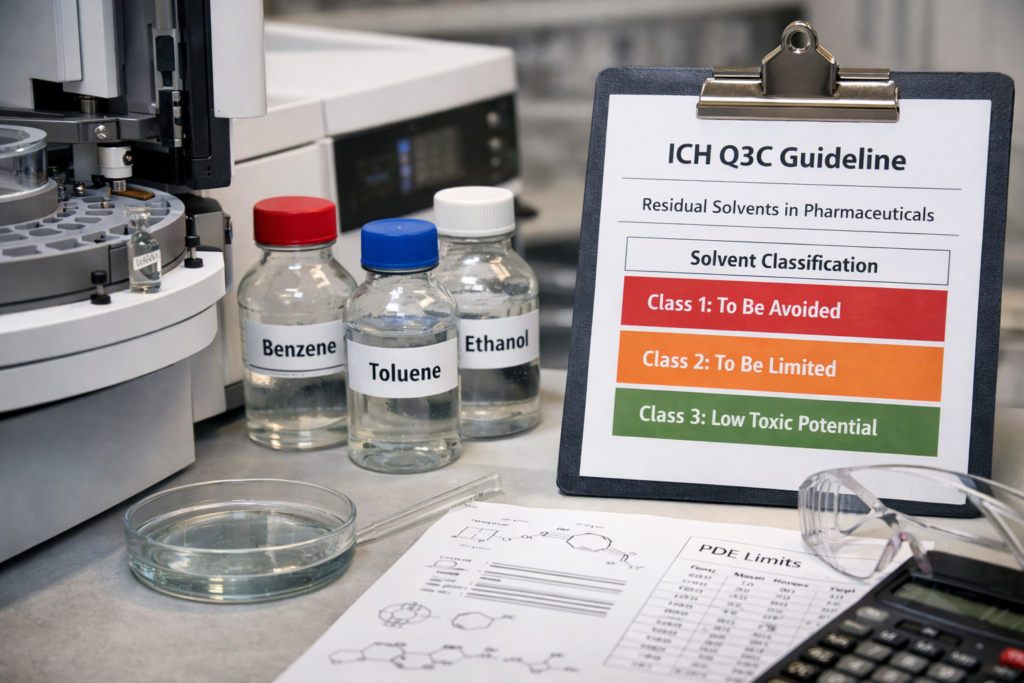
The International Council for Harmonisation (ICH) provides clear guidelines for the solvents’ impurities in Active Pharmaceutical Ingredients (APIs).
ICH Q3A vs Q3B: API and Drug Product Impurity Guidelines Explained
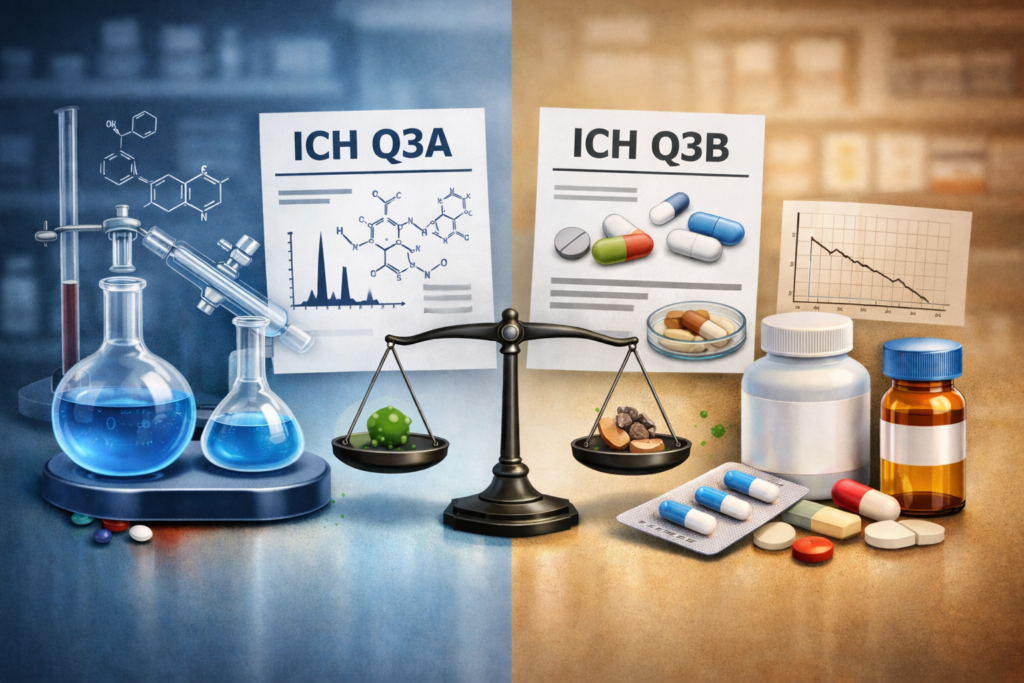
This comprehensive guide explains how industry professionals can benefit from the ICH Q3A and Q3B guidelines for API and drug product impurities.
Green Chemistry Approaches in API Impurity Synthesis

Green chemistry is no longer optional in pharmaceutical research. It is essential because the regulatory agencies expect safer processes for chemical development. Also, the companies demand cost efficiency and cleaner reactions.
Drug Substance vs Drug Product: A Simple, Clear Guide for Beginners
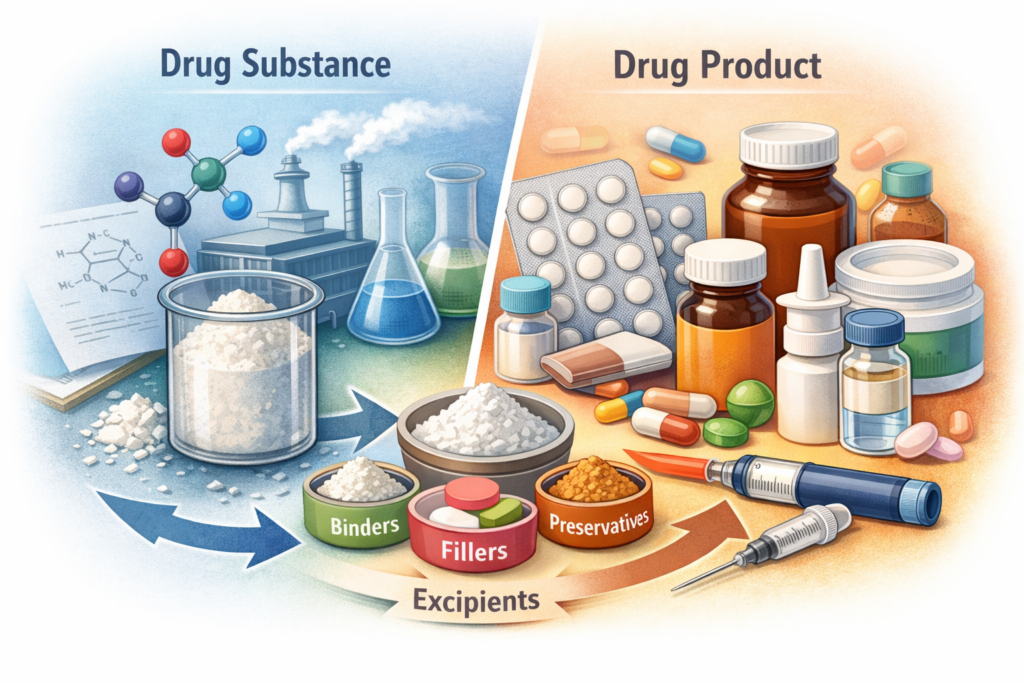
If you work in pharmaceuticals, chemistry, biotech, or regulatory affairs, you will hear two terms again and again: drug substance and drug product.
They sound similar, but they mean very different things.