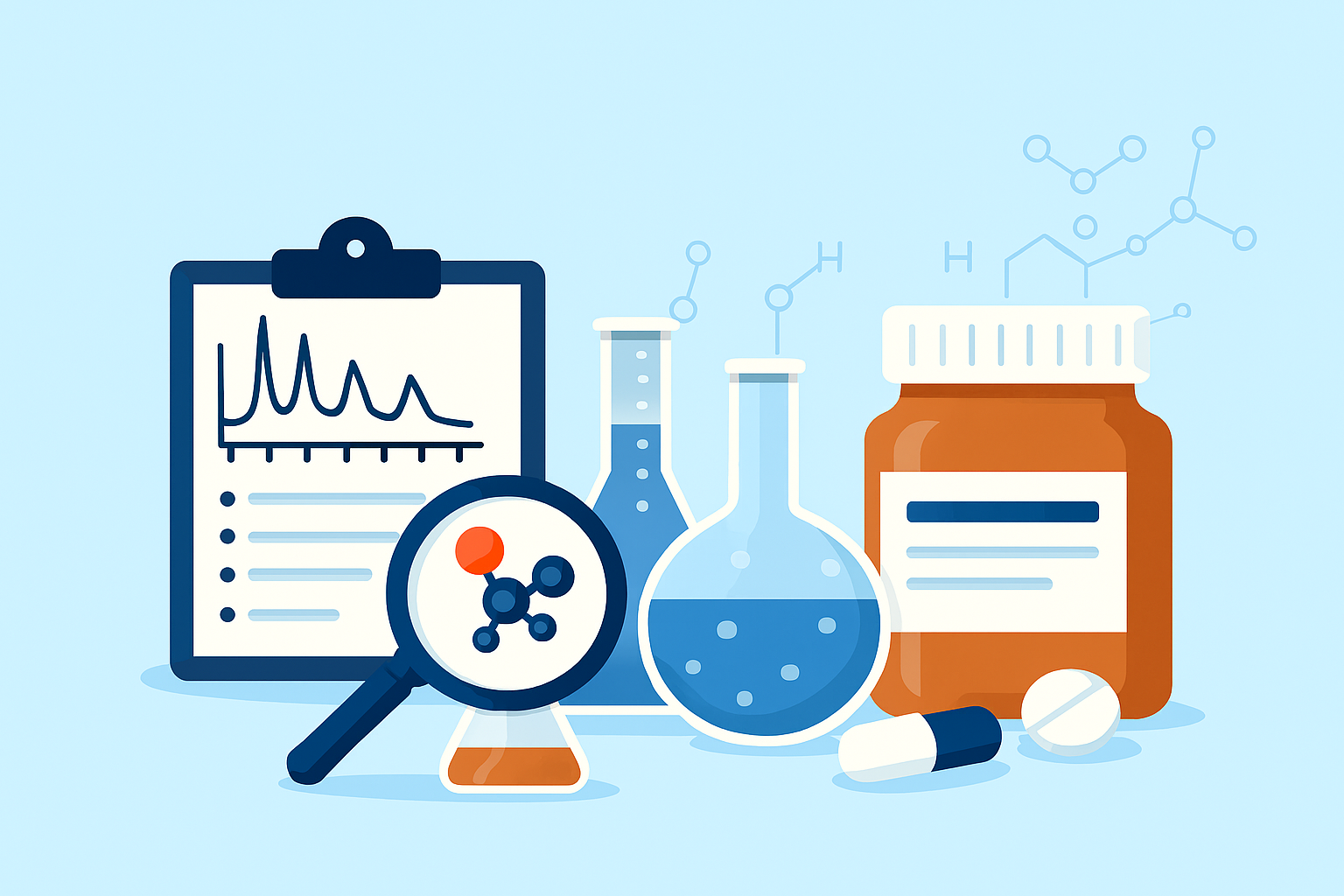
API impurity reference standards are essential tools in pharmaceutical analysis. They ensure accurate identification, quantification, and control of impurities in drug substances and products.
In pharmaceutical manufacturing the mutagenic impurities are among the most critical safety concerns. These impurities are responsible for the damage of DNAs, even at trace levels.
Green chemistry is no longer optional in pharmaceutical research. It is essential because the regulatory agencies expect safer processes for chemical development. Also, the companies demand cost efficiency and cleaner reactions.
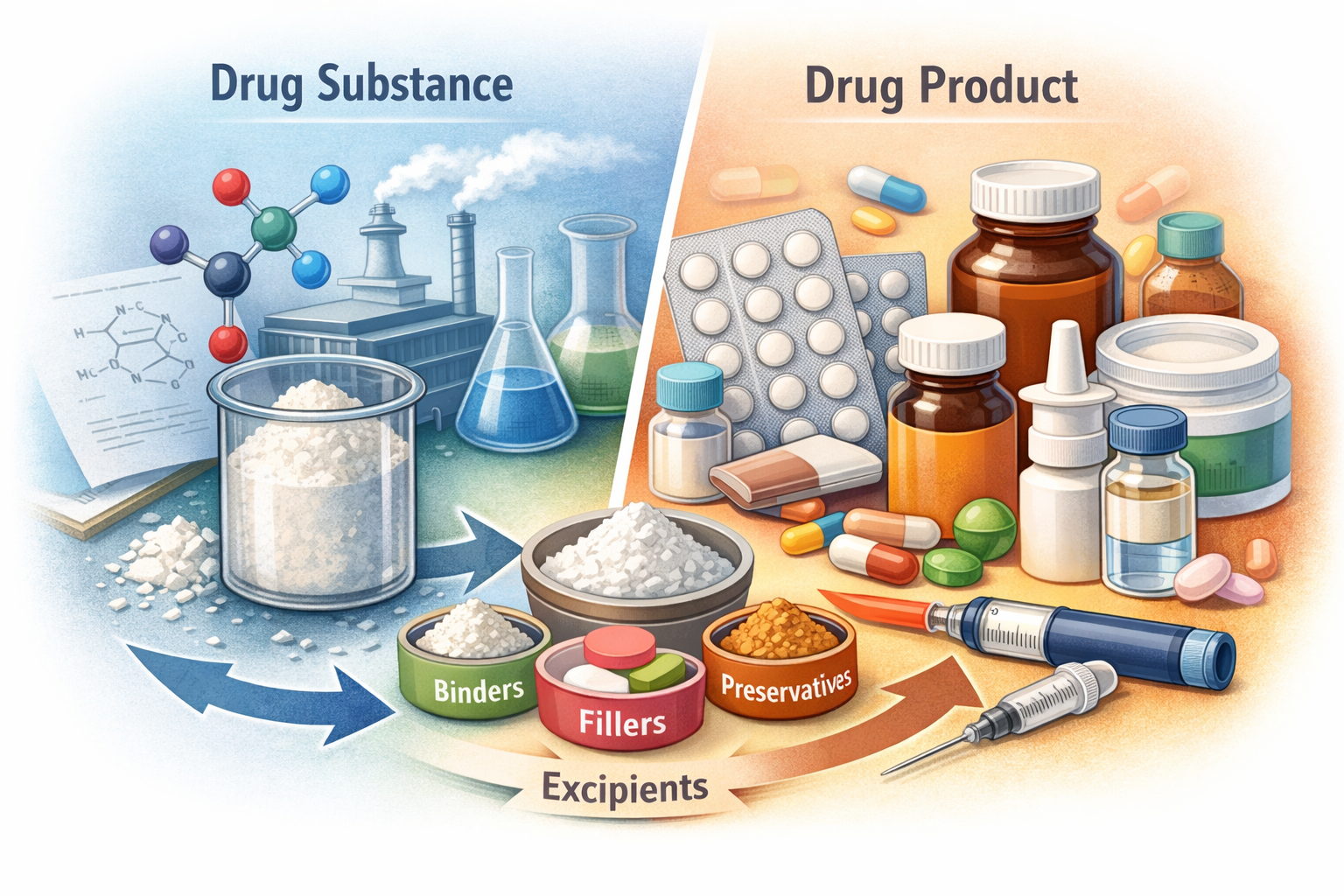
If you work in pharmaceuticals, chemistry, biotech, or regulatory affairs, you will hear two terms again and again: drug substance and drug product.
They sound similar, but they mean very different things.
Impurity analysis in pharmaceuticals is a critical quality control measure. Impurities, arising during synthesis, storage, or handling, can significantly affect a drug's safety, efficacy, and stability...
The Nitrosamine (NA) issue, often termed the "Saga," has been a focal point of attention for both the pharmaceutical sector and regulatory entities over the past half-decade...
Impurity profiling plays a crucial role in pharmaceutical product development and quality control. It involves the identification, quantification, and characterization of impurities present in drug substances and drug products...
In the pharmaceutical field, there are several types of standards used to ensure accuracy, consistency, and reliability in drug development, manufacturing, and quality control processes...
Impurity standard materials are critical tools in pharmaceutical analysis, enabling the accurate identification, quantification, and control of impurities in drug substances and drug products...
High-Performance Liquid Chromatography (HPLC) is a widely used analytical technique for impurity identification and quantification in the pharmaceutical industry...
Pharmaceutical manufacturing is a complex process that requires a high level of precision and accuracy. Working standards and reference standards are two important terms that are used in this field...
Pharmaceutical impurity standards play a crucial role in ensuring the safety and efficacy of drugs. They are used as reference materials for the identification, quantification, and control of impurities in pharmaceutical products...