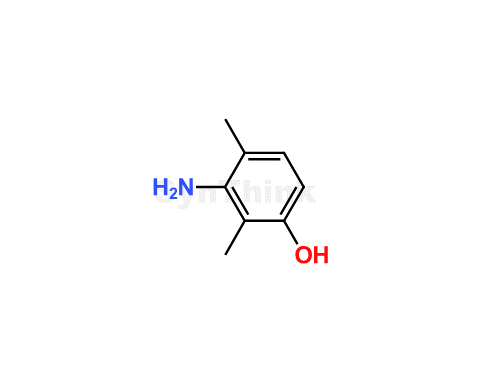
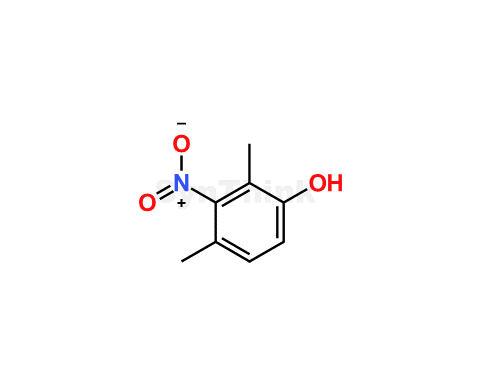
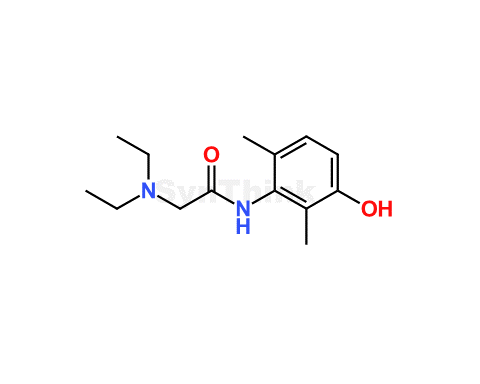
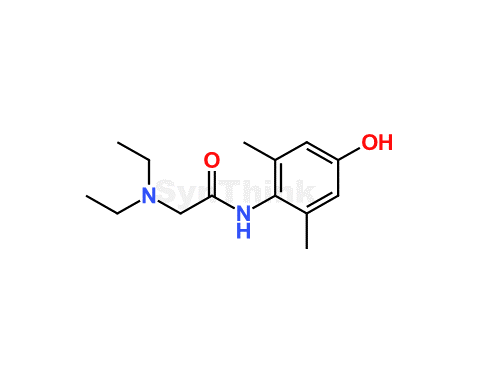
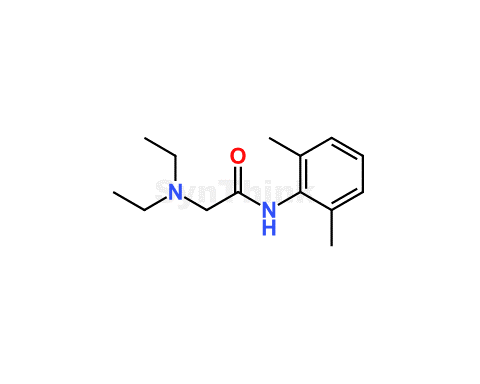
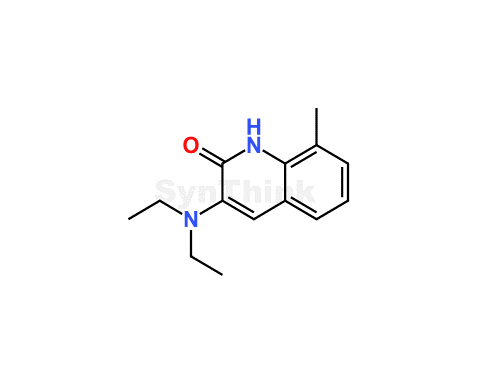
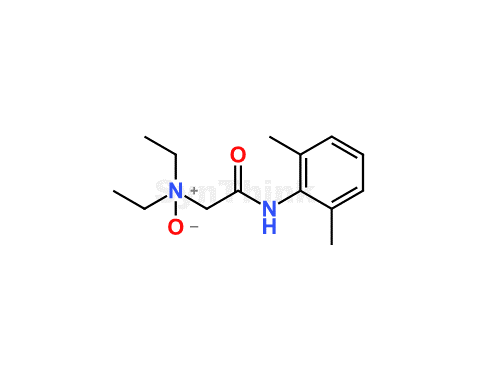
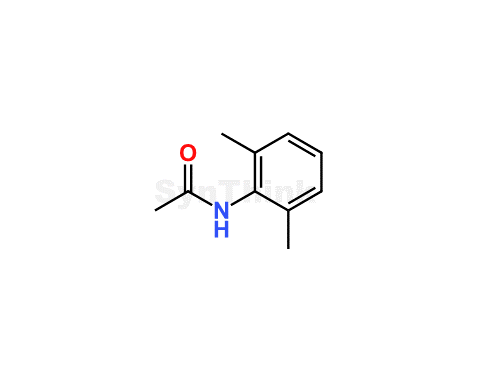
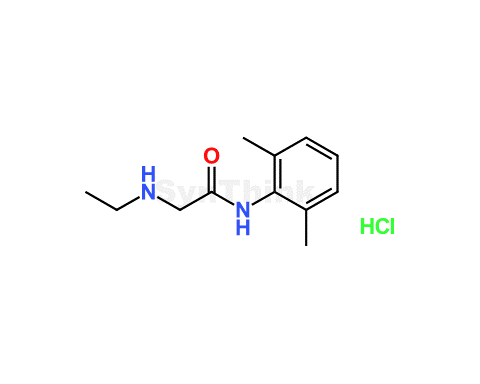
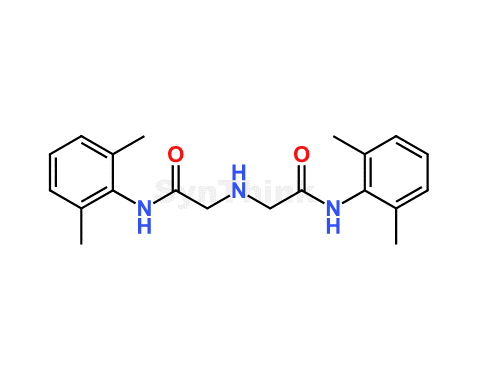
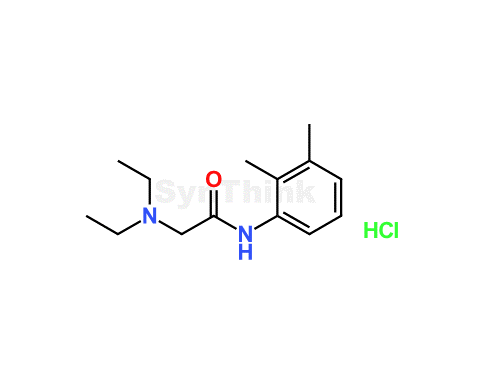
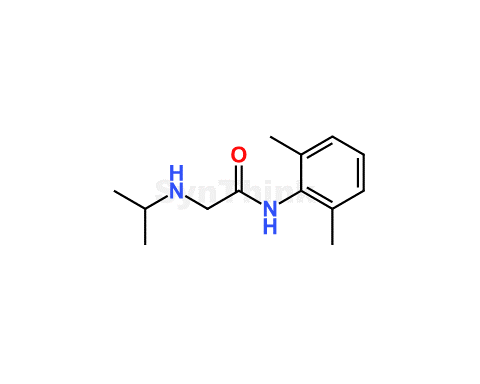
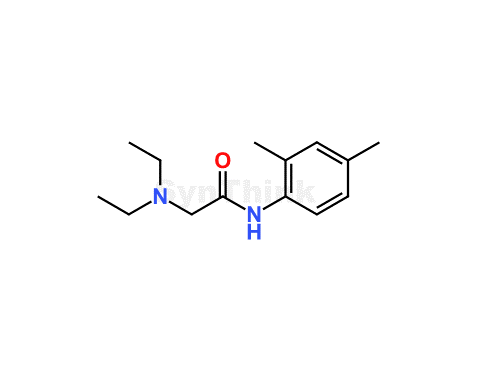
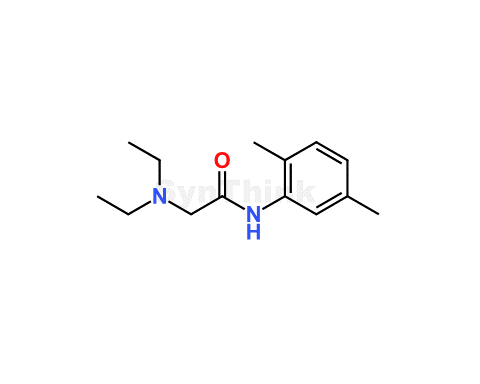
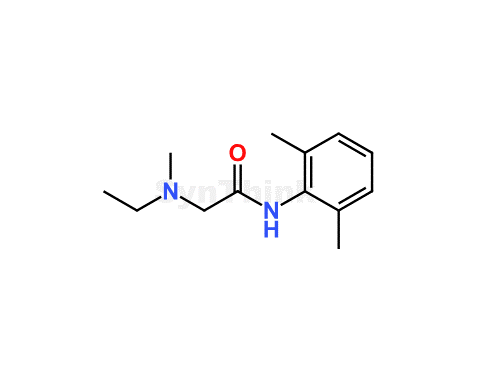
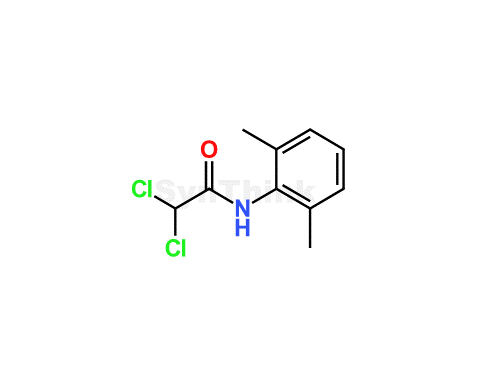
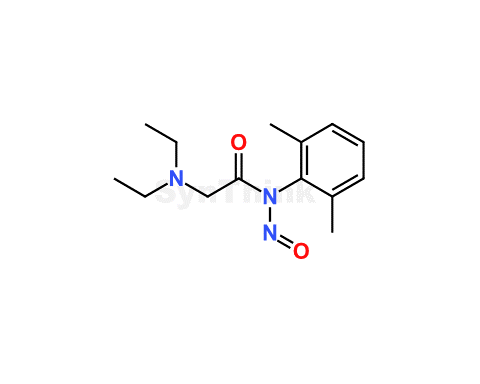
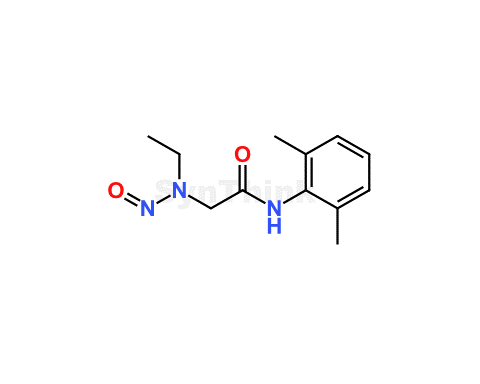
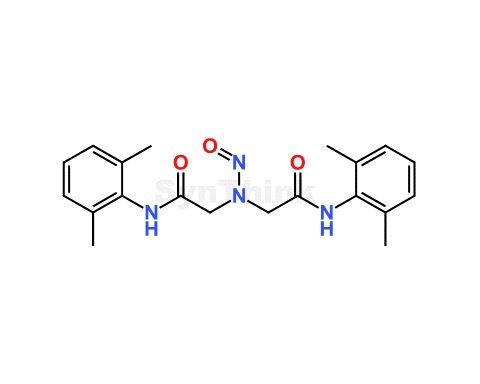
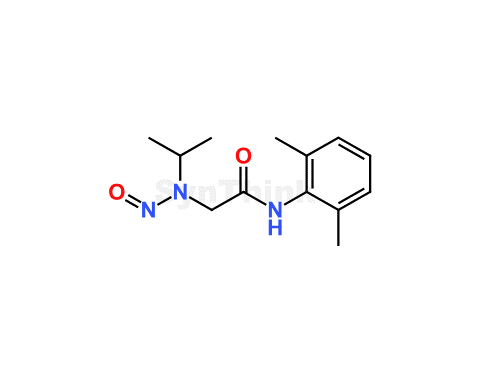
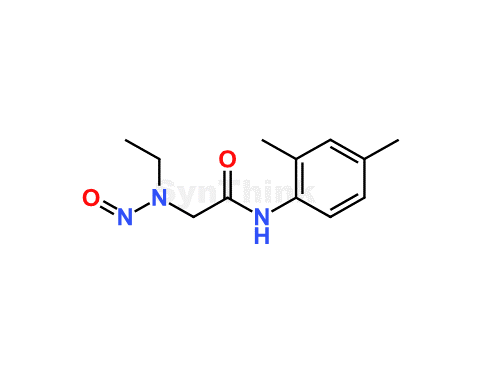
Lidocaine is a widely used amide-type local anesthetic. Its impurity profile includes structurally related analogs, residual solvents, and degradation products formed under stress conditions such as hydrolysis, oxidation, and photolysis. Typical degradation pathways involve hydrolytic cleavage of the amide bond, oxidative breakdown of the aromatic ring, and rearrangement of side chain substituents. These impurities may affect the drug’s potency, stability, and safety. All impurities are structurally characterized and qualified according to ICH guidelines for toxicological assessment and analytical validation.
Lidocaine EP Impurities
Pharmacopeial and non-pharmacopeial Lidocaine impurity compounds are available in compliance with European Pharmacopoeia (EP) specifications. These standards support analytical method development, impurity profiling, and long-term stability studies. EP traceable materials are supplied with validated analytical data, including purity, structural confirmation, and spectral characterization.
Lidocaine Related Compounds
Structurally related compounds and synthetic analogs associated with Lidocaine are included for impurity identification, toxicological qualification, and regulatory submission. These related substances are used in forced degradation studies, genotoxicity assessments, and impurity threshold evaluations. They are essential for understanding the impurity profile and ensuring compliance with regulatory limits.
Lidocaine Impurity Reference Standards
Lidocaine impurity reference standards are provided with validated analytical data, including purity, NMR, MS, and full Certificates of Analysis. These standards are used in pharmaceutical research, method validation, and GMP-compliant quality control. EP/USP traceable entries are available upon request and are routinely re-tested to ensure consistency and reliability.